• Myosotis is a genus of flowering plants in the family Boraginaceae. The name derives from the ancient Greek μυοσωτίς “mouse ear,” as it appeared to resemble the ear of a mouse. They are popularly referred to in the Northern Hemisphere as forget-me-nots or scorpion grass. The term “forget-me-not” comes from the German Vergissmeinnicht and was used in English promotional material at the behest of King Henry IV of England in 1398. Many names and variants exist in many languages. Myosotis alpestris is the official flower of Alaska and Dalsland in Sweden. Members of this genus often get confused with the forget-me-not of the Chatham Islands, which belongs to the closely linked genus Myosotidium.

    Myosotis is a genus, first described by Carl Linnaeus. The type species is Myosotis scorpioides. The species of Myosotis are either annual or perennial herbaceous flowering plants, having actinomorphic flowers that are actinomorphic, pentamerous, with five sepals and five petals. The flowers are usually less than 1 cm wide, straight faced, blue, pink, white, or yellow, with yellow centers, and borne on scorpioid cymes. The leaves are alternate and the roots mostly diffuse. They flower in the spring or soon after snow melt in high-altitude ecosystems.

    Even wilting, the individual petals are able to hold their place on them. The capsules attach to clothes when brushed against, and eventually fall off, leaving the seeds free to germinate wherever. Seeds can be harvested by placing a piece of paper under the stems and tapping the dehisced ovaries onto the paper.

    Myosotis scorpioides is often referred to as scorpion grass because of the spiraled curvature of its inflorescence.

    Turkish Name : Unutmabeni

    Persian Name : فراموشم مکن
  • Angelman syndrome (AS)

    Angelman syndrome (AS) is a genetic syndrome characterized by severe intellectual disability, learning disabilities, epilepsy, unsteadiness, jumping movements, easy smiling, no speech, and certain appearance features.

    Cerebral palsy (CP)

    Cerebral palsy, which occurs at birth due to brain damage, is not contagious.

    Typical symptoms of cerebral palsy include retarded motor development, abnormalities in muscle tone, problems with coordination of movements, and abnormal reflexes. Delayed motor skills such as rolling, crawling, or walking can indicate cerebral palsy.

    These two conditions, which have very close symptoms, sometimes make it difficult to diagnose correctly.

    Hope this is helpful to you, i just feel responsible after watch a documentary and learning how Angelman and CP are close in symptoms

    My goal is to give a bit of knowledge nothing else

  • Ajwain, ajowan or Trachyspermum ammi-maybe better known as ajowan caraway, thymol seeds, bishop’s weed or carom-is an annual spice crop in the family of Apiaceae. The human diet has both its leaves and seed‑like fruit, which actually are not seeds, but mericarps. A frequent other name for this plant is “bishop’s weed.” A synonymous term for the “seed” (= fruit) is lovage “seed.”.

    It is also used as a folk medicine for a group of ailments including belly ache, indisposition, acid reflux, vomiting, stomach bloat, abdomen gas, loose motion, diarrhea, respiratory problem and heaviness in the abdomen after dinner. One of these plants is Trachyspermumammi, popularly known as Ajwain. It belongs to family Apiaceae. It usually grows all over India, particularly in Rajasthan and Gujarat, because of its traditional demand. Since the extract of the plant has been used conventionally for a long time for the treatment of different types of inflammation and disorders of the gastrointestinal system, it is also believed to be nontoxic. It will also have an added advantage over various other botanical products due to easy availability and cost-effectiveness on account of antioxidant activity. Plants have used by man since time immemorial to treat life-threatening irresistible conditions, and part of these traditional remedies are presently taken in as a part of the typical treatment of different ailments. Pathogenic and decaying microorganisms in nourishments are increasingly of interest and concern as a consequence of the expansion in the frequency of food-borne ailment. The general antagonist of bacterial blends-essential oils and extracts on various edible and valuable plants, herbs and flavorings which through the ages have been conventionally applied as common additives against the spoilage of food and beverages because of the rate of antimicrobial blends-are being utilized today.

    equally fit for the treatment of love potions and adverse discharge. Among the several other external facilitates, Ajwain is efficient in treating asthma, foolishness, colic ear diseases and disorders. Besides the potent disease prevention expert activity, the Ajwain methanolic extract was reportedly showing in vivo hepatoprotective activity by 80% protection against a standard toxic dose of paracetamol in irritants. The following study was aimed at studying the bronchodilator effect of the decocted concentrate of Ajwain on airflow curves of asthmatic patients. Results have shown that, at the concentrations used, Theophylline was present; the extract has an effect on asthmatic airway passages.

    Turkish Name: Mısır anason

    Persian Name : زنیان رومی، اجوان یا نانخواه

    ,
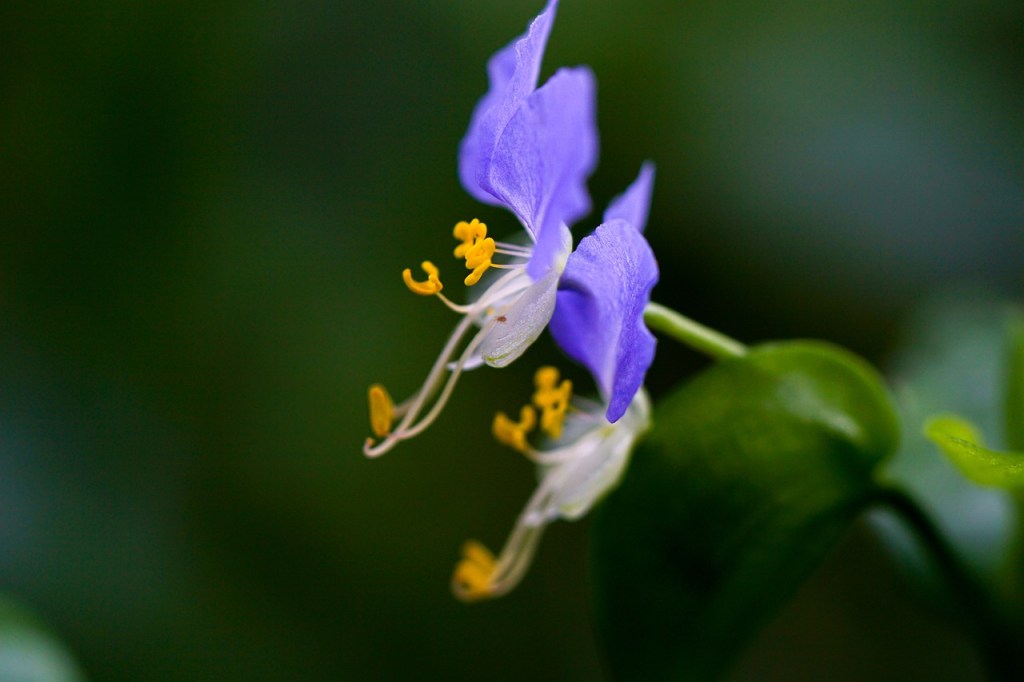
  • Commelina communis, ordinarily known as Asian dayflower, is a herbaceous yearly plant in the dayflower family. It gets its name because the blossoms last just a single day. It is local to many East Asia and the northern pieces of Southeast Asia. In China, the plant is known as yazhicao, which generally signifies “duckfoot weed,” while in Japan it is known as tsuyukusa), and which signifies “dew weed.” It has likewise been brought into parts of focal and southeastern Europe and much of eastern North America, where it has turned into a harmful weed. It is normal in upset destinations and clammy soils. The blossoms show up from summer to fall and are portrayed by two moderately huge blue petals and one tiny white petal.

    Turkish Name: Gün çiçeği

    Persian Name : برگ‌بیدی

  • The Common Medlar, Mespilus Germanica, is a deciduous tree from Southwest Asia and parts of Europe. For many centuries, it has been in cultivation and played its role in several cultures.

    This small tree belongs to the rose family, Rosaceae, and thus is a relative of other fruit plants such as apples and pears.

    Characteristics of Mespilus Germanica:

    Tree appearance: Generally, Mespilus Germanica grows between 15 and 20 feet tall.

    Its branches are adorned with dark green, elliptical leaves. It is an ornamental tree for its handsome appearance, especially in seasons when flowers come into bloom, which are fragrant and white or pink.

    Appearance of Fruit:

    Probably one of the most distinctive features of the common medlar is its fruit. The fruit resembles an unripe apple, somewhat golf ball-sized in size. Most often pale yellow to brown, the skin bears a rough russet texture. The remains of a flower or calyx at the bottom of the fruit grant it an unusual appearance.

    Cultivation and Growth:

    Mespilus Germanica can take the, normally, temperate climate of Europe and can grow on almost all types of soil, provided the soil is well-drained. Following are some key aspects of cultivation:

    This evergreen needs at least six hours of direct sunlight each day.

    Soil Requirement:

    Loamy, well-drained soil is suitable, though they can bear different types of soil.

    Frost tolerance:

    These trees are hardy and may be subjected to frost without sustaining any damage, making them viable for those who have colder winters in their regions.

    Fruits and harvest:

    Medlar fruits are in a category of their own and are often harvested after the first frost. In their unripened state, they are very astringent and not edible at all. For the fruits to become edible, they must undergo the process called “bletting”. They become softer while doing this and attain a sweet honey-like taste. This change may happen when the fruits are left on the tree or up to several weeks after picking and storage.

    Culinary use:

    Though the common loquat is not a fruit of everyday modern diet, it has quite a history for culinary uses. Some of the uses of the fruit are:

    Medlar jelly:

     Boiling the fruit down with sugar is the way this popular jelly is made. Sweet and flavoured, it goes with cheese and bread.

    Desserts:

    Baked medlar puddings, tarts, crumbles, and cakes bring out the delicious sweetness of the fruit when fully ripe.

    Turkish Name : Muşmula ya da döngel, beşbıyık, ezgil 

    Persian Name : اَزگیل 

  • hi everyone, here is my full gameplay of a memoir blue hope you like it 🙂

  • Syberia:The World Before part 3
  • Syberia:The World Before part 1
  • If you have time, please read it before you watch it 🙂

    Jack’s story
    Amber’s story

    When I was 16 years old, I had a best friend who, after we had been friends for a while, learned that her mother had cancer. We talked, she told about her feelings and I tried to motivate her, and so on.
    One night when we were talking about her mother, she said, “Do not be afraid to tell someone you really love that you love them, because you may not have time for it anymore…”.
    As a result, I decided to openly express my feelings for someone or share my love with my loved ones. I think it’s not about whether you are female or male, it’s just about whether you have a chance again.
    Oh, you may have received a rejection, but at least you are relieved and have no regrets. Please kiss or hug your family and loved ones and do not forget to show your love 🙂
    Thank you to my friend with whom I lost contact but I still remember her.

  • I want to share my own experience because ı think it works

    1. find a language that close to your native one ( even if that is not your favorite one )
    2. learn the alphabet of the new language very well
    3. and start to learn
    4. go on

    for example, if your native language is Persian and speak Turkish fluently you can learn Azerbaijani easily, and Azerbaijani helps you to learn another language because languages are linked together in different ways as I see.

    Note: this is a way that I find for myself and learn a new language 🙂 I’m not an expert